Agoraphobia is one of the most misunderstood anxiety disorders, and one of the most isolating.
If you’ve ever felt trapped by fear of leaving your home, panicked in crowded places, or avoided situations where escape feels impossible, you may be experiencing agoraphobia.
This article explains what agoraphobia really is, what causes it, how it feels, and what your options are for finding relief, including approaches beyond traditional therapy.
What Is Agoraphobia?
Agoraphobia is an anxiety disorder in which a person fears and avoids situations where escape might be difficult, or where help might not be available if a panic attack occurs. According to the Mayo Clinic, this typically involves intense fear of open spaces, public transportation, crowded areas, standing in line, or simply being outside alone.
Despite the common misconception, agoraphobia is not simply a fear of open spaces. It is a deep fear of the feelings that arise in certain situations, particularly the fear of losing control, experiencing a panic attack, or being unable to escape. The NHS describes it as a fear of being in places where escape might be difficult or where help wouldn’t be available if things go wrong.
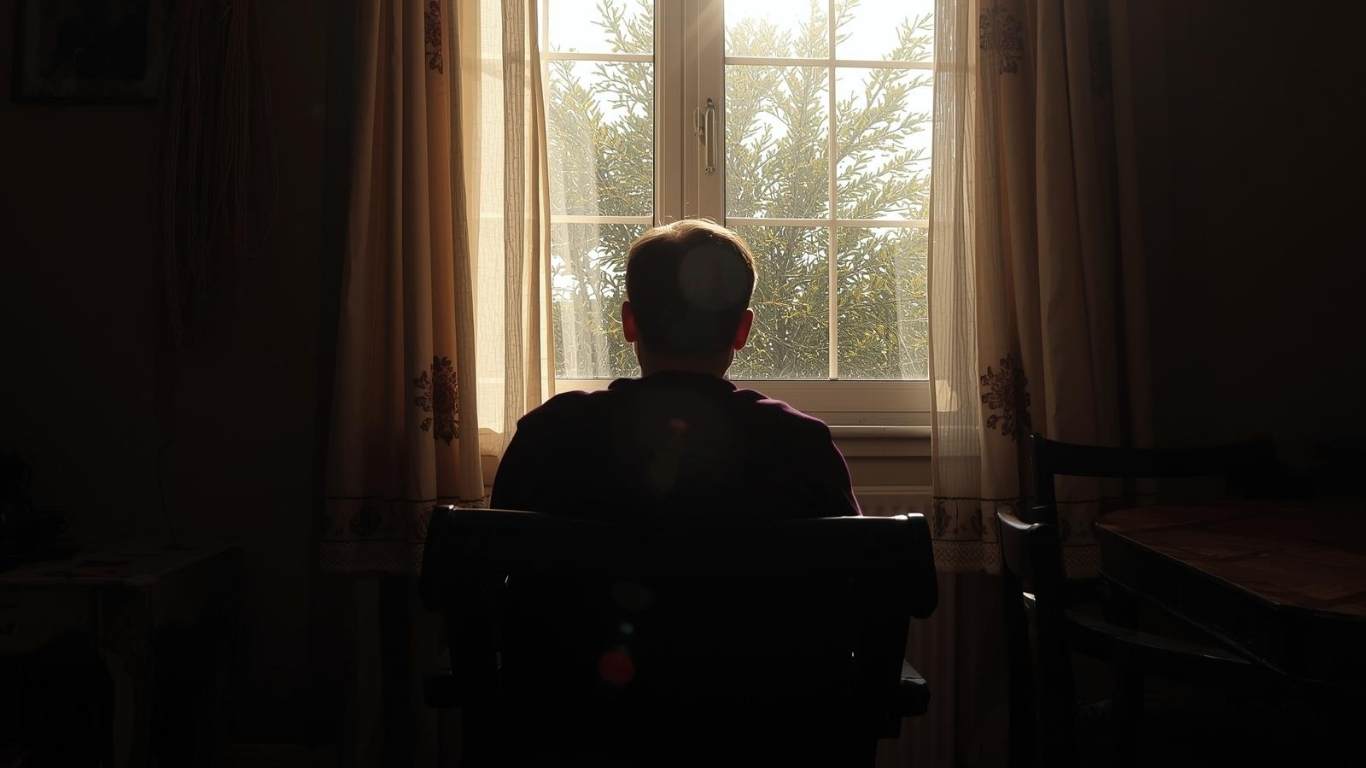
In severe cases, agoraphobia can cause a person to become completely homebound, unable to leave their house without significant distress or the support of another person. The NIH’s StatPearls database notes that in these extreme cases, individuals may become dependent on others even for basic needs, which significantly increases the risk of depression. There are multiple documented cases of people being effectively stranded at home for nearly 20 years.
Related: Learn about all treatment options for agoraphobia
How Common Is Agoraphobia?
Agoraphobia is more widespread than many people realise. Key statistics include:
-
An estimated 1.7% of adolescents and adults experience agoraphobia in any given 12-month period
-
1.3% of U.S. adults will experience agoraphobia at some point in their lives, according to the National Institute of Mental Health (NIMH)
-
Women are 2 to 3 times more likely to be diagnosed than men
-
The average age of onset is the mid-to-late 20s, with most cases developing between ages 20 and 35
-
2.4% of adolescents aged 13–18 have experienced agoraphobia in their lifetime — and all reported severe impairment
What Are the Symptoms of Agoraphobia?
Agoraphobia symptoms span the physical, emotional, and behavioural. According to MedlinePlus (NIH) and the NHS, the most common symptoms include:
Physical symptoms (often triggered in feared situations):
-
Rapid or pounding heartbeat
-
Shortness of breath or hyperventilating
-
Chest tightness
-
Sweating, trembling, or dizziness
-
Nausea or stomach distress
-
Feeling detached from your surroundings (derealisation)
Emotional and cognitive symptoms:
-
Intense fear of losing control in public
-
Fear of embarrassing yourself during a panic attack
-
Feeling helpless, trapped, or dependent on others
-
Persistent worry about when the next panic attack will occur
Behavioural symptoms:
-
Avoiding places where previous panic attacks occurred
-
Refusing to leave the house alone
-
Requiring a companion to go anywhere
-
Ordering essentials online to avoid going out
-
Gradually shrinking your “safe zone” over time
This pattern of avoidance — known clinically as avoidance behaviour — is what makes agoraphobia so debilitating. BetterHealth Victoria explains that what often starts as mild anxiety about one specific situation can escalate over time into a generalised fear of being anywhere outside a perceived safe space. Learn more about the full range of agoraphobia symptoms and how they progress.
Related: Online therapy for Agoraphobia
What Causes Agoraphobia?
Agoraphobia rarely appears out of nowhere. Research points to a combination of psychological, neurological, and environmental triggers:
1. Panic disorder
The most common pathway to agoraphobia is panic disorder. A person experiences a panic attack in a specific location, then begins associating that place with danger and avoids it. Over time, the list of “dangerous” places grows. The NHS confirms this is the most well-documented cause. See how agoraphobia and anxiety reinforce each other.
2. Stressful or traumatic life events
The Mayo Clinic identifies abuse, loss of a parent, or being attacked as contributing factors that can trigger the onset of agoraphobia.
3. Genetics and family history
Having a blood relative with agoraphobia significantly increases risk. An anxious or nervous temperament also predisposes individuals to developing the disorder.
4. Other phobias or anxiety disorders
Pre-existing anxiety conditions can create a foundation for agoraphobia to develop, especially when avoidance becomes a default coping mechanism.
5. Nervous system dysregulation
Emerging research and clinical observation suggests that chronic nervous system dysregulation — where the body is stuck in a state of fight-or-flight — plays a significant role in sustaining agoraphobia even after the original trigger has passed.
How Agoraphobia Affects Daily Life
The impact of agoraphobia on quality of life is profound. A peer-reviewed study published in the NIH’s PubMed Central found that agoraphobia significantly worsens health-related quality of life, particularly for those with co-occurring panic disorder.
For professionals, the consequences are even more acute:
-
Career stagnation from avoiding the office, commuting, or client meetings
-
Social isolation and relationship strain
-
Dependence on others for shopping, appointments, and daily tasks
-
Deepening depression as the world gets smaller
-
Loss of identity and self-confidence
Left untreated, agoraphobia rarely resolves on its own. The avoidance cycle tends to reinforce the fear, making it progressively harder to re-engage with the outside world. If this resonates, explore agoraphobia help designed for people at home — or read more about agoraphobia support for busy professionals.
What Are the Treatment Options?
The good news is that agoraphobia is highly treatable. PsychCentral outlines several evidence-based approaches:
Nesteal (Frequency Change)
TM+IN frequency change — is considered the fastest treatment for agoraphobia. It involves systematic frequency change, helping the body and soul release the deep cause in a matter of minutes. Explore remote energy healing for agoraphobia.
Cognitive Behavioural Therapy (CBT)
CBT — particularly exposure-based therapy — is considered the gold standard treatment for agoraphobia. It involves gradual, systematic exposure to feared situations, from least to most anxiety-provoking, helping the brain learn that these situations are safe. Learn how it compares in our guide on agoraphobia vs traditional therapy.
Medication
SSRIs such as sertraline and escitalopram are the most commonly prescribed medications. The NIH StatPearls database notes these have the highest remission rates and the lowest risk of adverse events. Combining medication with CBT often produces the strongest outcomes. If you’re looking to reduce reliance on medication, read about how to stop agoraphobia without medication.
Digital and Remote Therapy
A 2025 study published in NIH’s PubMed Central found that digital CBT (dCBT) is effective for panic disorder and agoraphobia, especially when it incorporates personalised interoceptive exposure and inhibitory learning techniques. This is particularly significant for those who cannot attend in-person sessions. See our full overview of online therapy for agoraphobia.
Related: Remote energy healing for agoraphobia
Complementary and Holistic Approaches
Many people find that traditional therapy addresses the cognitive patterns of agoraphobia but doesn’t fully resolve the deep physical tension, nervous system dysregulation, and energetic blocks beneath the surface. Complementary approaches — including frequency-based work, somatic remote energy healing, nervous system regulation, and holistic treatment options — are increasingly used alongside therapy to support faster, more complete recovery. You can also explore natural relief for agoraphobia and alternative therapy options.
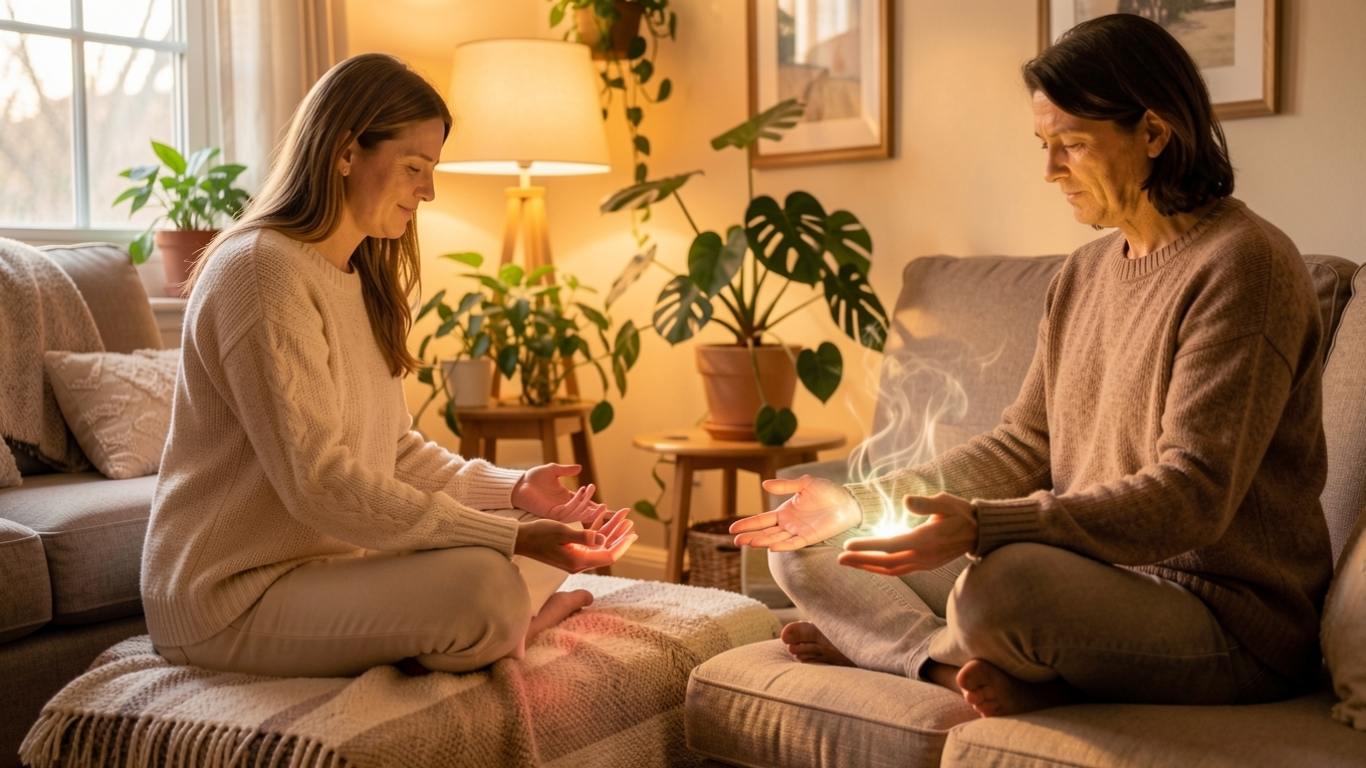
Soul & Body Frequency Change sessions at Nesteal are designed specifically for people who cannot leave home. Delivered 100% remotely, each session works at the energetic and nervous system level to help dissolve the fear responses and physical tension that keep agoraphobia in place — often with noticeable shifts from the very first session.
This is not a replacement for medical care or therapy. Results vary by individual. Always consult your healthcare provider before beginning any new wellness programme.
Can Agoraphobia Be Overcome?
Yes — with the right support, agoraphobia can be significantly reduced or fully overcome. The key is addressing both the cognitive patterns (what your mind believes about certain situations) and the physical and energetic responses (how your body reacts when those patterns are triggered). Read practical strategies in our guide on how to overcome agoraphobia without leaving home.
Recovery rarely happens overnight, but meaningful relief — the kind where you take your first step outside alone, attend a social event, or simply feel calm in a space that once terrified you — is absolutely achievable. If speed matters to you, explore whether agoraphobia relief in one session is possible and what fast-relief therapy for agoraphobia looks like in practice.
The first step is understanding what you’re dealing with. You’ve just taken it. When you’re ready for the next step, find out how to get help for agoraphobia.
Frequently Asked Questions
Is agoraphobia the same as claustrophobia?
No. Claustrophobia is a fear of enclosed spaces. Agoraphobia is a fear of situations where escape feels difficult or help isn’t available — which can include both open and enclosed spaces.
Can agoraphobia develop suddenly?
Yes. It often begins after a panic attack in a specific place and can escalate quickly as avoidance behaviour spreads to more and more situations. Understand the full connection between agoraphobia and anxiety.
Can agoraphobia be treated without leaving home?
Yes. Remote therapy, digital CBT, and holistic approaches like Soul & Body Frequency Change sessions are specifically designed for people who are unable or unwilling to leave their home environment. Explore all agoraphobia help-from-home options.
How long does it take to recover from agoraphobia?
Recovery timelines vary widely. Some people notice significant improvement within weeks of beginning treatment; others need longer-term support. Early intervention generally leads to faster recovery. See a full breakdown of agoraphobia treatment options.
What is the difference between agoraphobia and panic disorder?
They are closely related but distinct. Read our dedicated guide: Agoraphobia vs Panic Disorder — what’s the difference?
This article is for informational purposes only and does not constitute medical advice. Nesteal’s Soul & Body Frequency Change services are complementary wellness services and are not a substitute for professional medical care, psychiatric treatment, or licensed psychotherapy. Always consult your healthcare provider before beginning any new wellness programme. Results vary by individual.