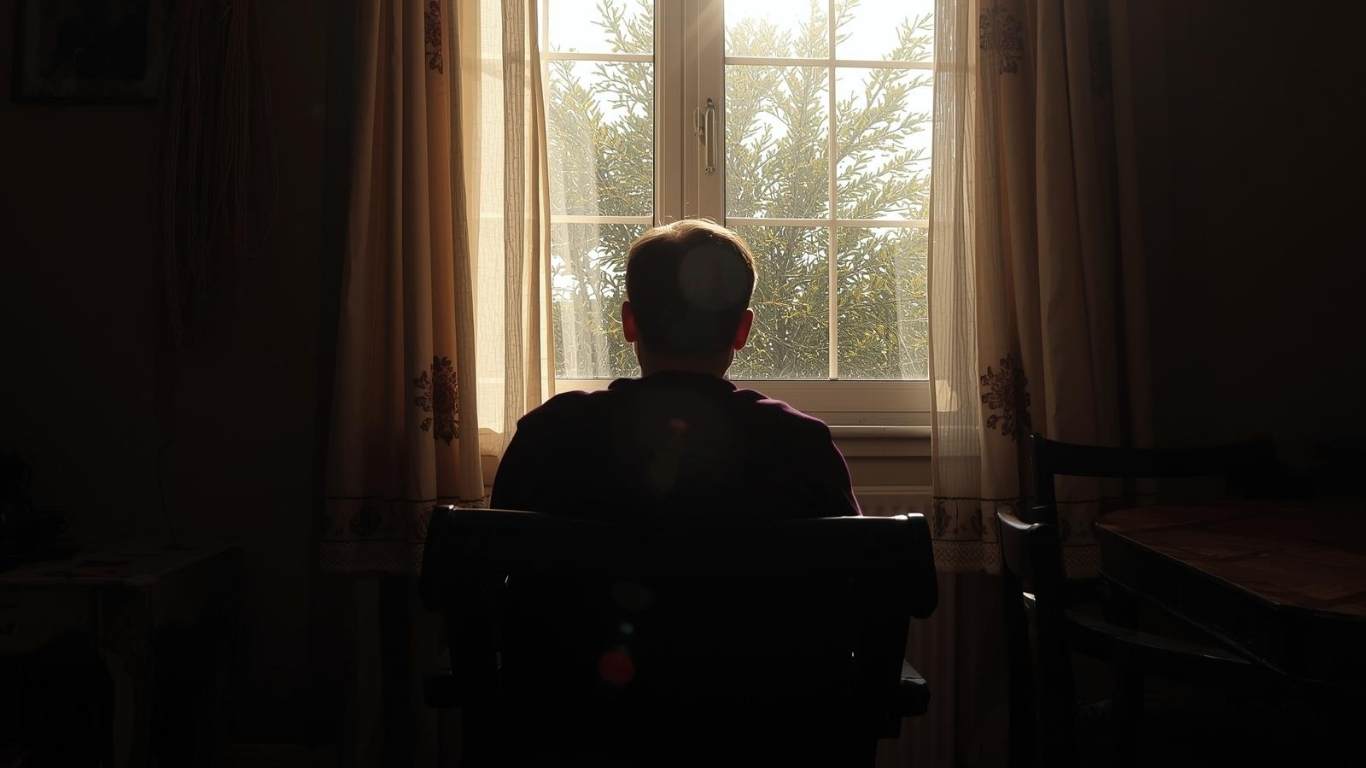
Getting help for agoraphobia can feel like an impossible task when leaving the house is the very thing you fear.
The good news is that treatment has evolved significantly — and some of the most effective approaches available today don’t require you to go anywhere at all.
This page outlines every credible treatment option for agoraphobia, starting with approaches that work remotely, and including the full range of conventional and complementary therapies so you can make an informed choice about what’s right for you.
What Makes an Effective Agoraphobia Treatment?
Before exploring specific options, it helps to understand what an effective agoraphobia treatment actually needs to do. According to NIH’s StatPearls, agoraphobia involves three interconnected layers that all require attention:
-
The cognitive layer — the beliefs and thought patterns that interpret situations as dangerous
-
The behavioural layer — the avoidance patterns that reinforce fear and shrink your world
-
The physiological layer — the nervous system dysregulation that keeps your body in a state of fight-or-flight
The most complete recoveries tend to occur when treatment addresses all three layers — not just one. This is why many people who have tried traditional therapy alone find that something is still missing, and why complementary approaches that work at the body and nervous system level are increasingly used alongside conventional care.
Option 1: Soul & Body Frequency Change (Nesteal)
Best for: People who cannot leave home, those whose progress with traditional therapy has plateaued, and anyone seeking a rapid, non-pharmaceutical first step that works at the nervous system level.
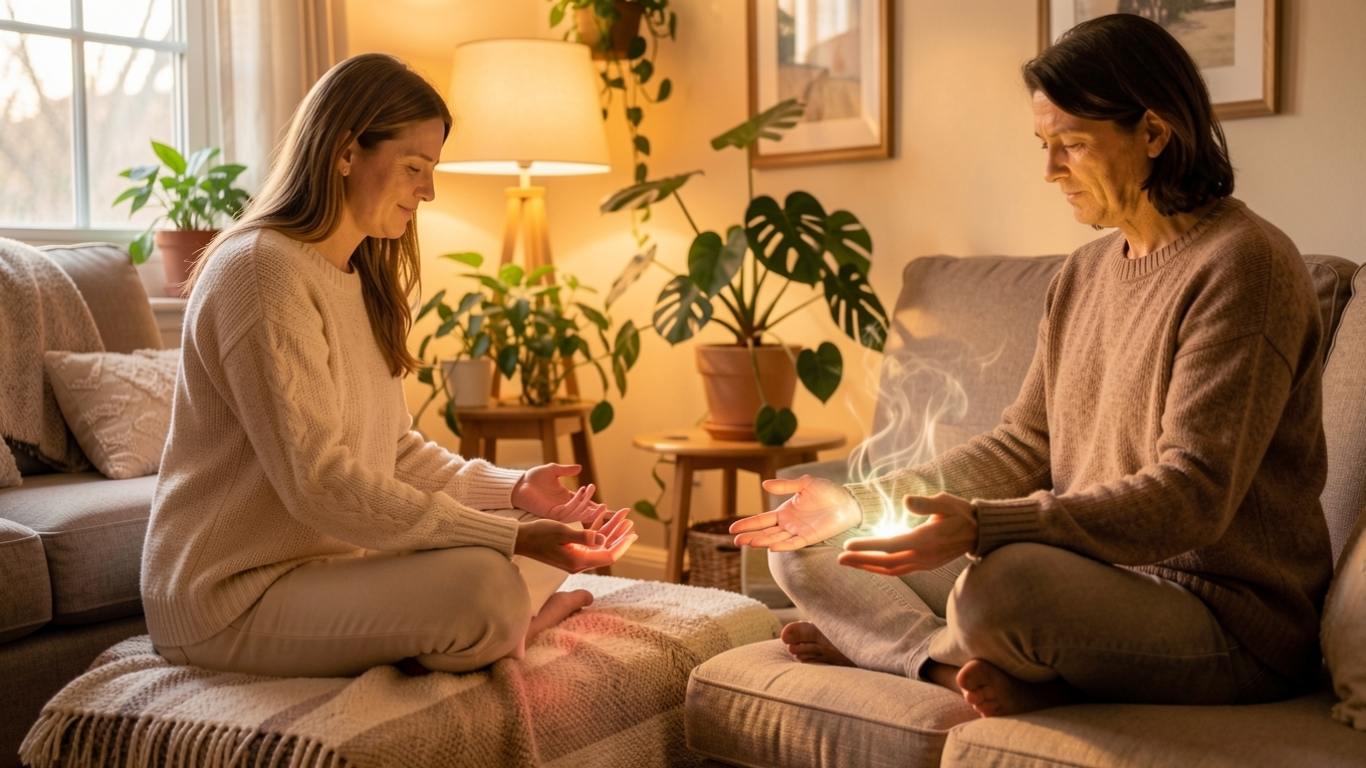
Soul & Body Frequency Change at Nesteal is a remote, frequency-based approach specifically designed for people living with agoraphobia, anxiety, and panic. Sessions work at the energetic and physiological root of the fear patterns — addressing the deep nervous system dysregulation and emotional imprints that keep agoraphobia in place, even when the rational mind understands there is no real danger.
What makes it different:
-
100% remote — every session is delivered virtually, so you never have to leave the safety of your home to begin healing
-
Works at the root level — rather than managing symptoms cognitively, sessions address the energetic and nervous system patterns beneath the avoidance and fear
-
Rapid results — many clients report a noticeable shift in physical tension, fear responses, and emotional heaviness from their very first session
-
Complements existing therapy — designed to work alongside CBT, medication, or any other treatment you are already receiving, accelerating progress rather than replacing it
-
Satisfaction guarantee — a 7-day refund policy if no noticeable shift is experienced
For people with agoraphobia, the fact that treatment is fully remote is not simply a convenience — it is clinically significant. It removes the single greatest barrier to seeking help: having to leave the house.
TM+IN is an instant frequency change therapy service. While it’s not a replacement for traditional medical care, psychiatric treatment, or licensed psychotherapy. Results vary by individual. Always consult your healthcare provider before beginning any new wellness programme.
Option 2: Cognitive Behavioural Therapy (CBT)
Best for: Mild to moderate agoraphobia; those who want structured, evidence-based therapy with a qualified professional.
CBT is the most extensively researched psychological treatment for agoraphobia, and is considered the gold standard first-line psychological therapy according to NICE guidelines. It works by helping you identify and challenge the thought patterns driving your fear and gradually reintroduce the avoided situations through structured exposure.
CBT for agoraphobia typically includes:
-
Psychoeducation — understanding the anxiety cycle and how avoidance maintains fear
-
Cognitive restructuring — identifying and challenging distorted beliefs about feared situations
-
Graduated exposure — creating a hierarchy of feared situations and systematically facing them, from least to most anxiety-provoking
-
Interoceptive exposure — deliberately inducing mild physical anxiety symptoms (like dizziness or breathlessness) to reduce fear of those sensations themselves
According to the Mayo Clinic, CBT is typically a short-term treatment, with meaningful improvements seen over weeks to months of consistent work.
A 2025 study in PubMed found that blended CBT, combining standard therapy sessions with a digital app used between sessions — produced significantly greater improvements in depression symptoms compared to standard CBT alone, suggesting that continuity of practice is as important as the sessions themselves.
Limitations: CBT requires attending sessions (though these can often be delivered remotely), completing exposure exercises between appointments, and tolerating temporary increases in anxiety during the process. Some people find this difficult without additional nervous system support — which is where complementary approaches like Soul & Body Frequency Change can play a powerful role.
Option 3: Exposure Therapy
Best for: Those ready to actively face avoided situations in a structured, supported way.
Exposure therapy is the core behavioural component of CBT and can also be delivered as a standalone treatment. The principle is simple but powerful: repeated, controlled exposure to feared situations — without avoidance — teaches the nervous system that the situation is not genuinely dangerous.
MSD Manuals confirms that exposure therapy using CBT principles represents the most robustly evidenced treatment approach for agoraphobia.
Research cited in DrOracle shows a clear dose-response relationship — the more frequently exposure occurs, the greater the reduction in agoraphobic avoidance. Therapist-guided exposure in real-world settings also consistently outperforms self-directed exposure.
Important note: For people who are currently homebound, traditional in-person exposure therapy presents an obvious logistical challenge. Remote approaches that reduce the underlying fear and nervous system activation before beginning exposure can make the transition to exposure work significantly more manageable.
Option 4: Medication
Best for: Moderate to severe agoraphobia; cases where anxiety is too intense to engage with therapy; or as a complement to CBT.
The NHS recommends a stepped approach to agoraphobia treatment, with medication recommended alongside therapy for more severe presentations.
The most commonly prescribed medications include:
SSRIs (Selective Serotonin Reuptake Inhibitors)
The first-line pharmaceutical option. According to NIH StatPearls, sertraline and escitalopram have the highest remission rates and lowest risk of adverse events among SSRIs for agoraphobia. SSRIs typically take 4–6 weeks to reach full effect and are usually prescribed for a minimum of 6–12 months.
SNRIs (Serotonin-Norepinephrine Reuptake Inhibitors)
Venlafaxine is another commonly used option, particularly when SSRIs produce insufficient response.
Benzodiazepines
Occasionally used for short-term management of acute anxiety or panic symptoms. Not recommended for long-term use due to risk of dependency and reduced effectiveness over time.
The Mayo Clinic notes that combining CBT with medication typically produces stronger outcomes than either approach alone — particularly for moderate to severe agoraphobia.
Considerations: Medication addresses the neurochemical dimension of anxiety but does not directly change avoidance behaviour or resolve the underlying nervous system patterns. Many people find that medication reduces the intensity of symptoms enough to engage more effectively with therapy and complementary approaches.
Option 5: Digital and App-Based Therapy
Best for: Those who prefer self-directed support, or those in areas with limited access to in-person therapists.
Remote and digital therapy options for agoraphobia have expanded significantly, driven partly by the obvious need for accessible interventions for people who cannot easily attend in-person sessions.
A 2025 randomised controlled trial published in PMC (NIH) found that mobile app-guided exposure therapy for panic disorder with agoraphobia produced significantly lower symptom severity, improved depressive symptoms, and better quality of life compared to a waiting list control — with effects maintained at follow-up.
A separate NIH study on internet-delivered intensive CBT found promising feasibility and acceptability outcomes for panic disorder and agoraphobia — delivering meaningful results in as little as one intensive week of online therapy.
Options in this category include:
-
Teletherapy (CBT delivered via video call with a licensed therapist)
-
Digital CBT platforms with structured programmes
-
Exposure therapy apps used between or instead of therapist sessions
-
Online psychoeducation and skills-building programmes
Option 6: Virtual Reality Exposure Therapy (VRE)
Best for: People who want exposure practice but find real-world situations too overwhelming to start with.
VR-based therapy allows people with agoraphobia to practise exposure to feared environments — crowds, public transport, open spaces — within a safe, fully controlled virtual setting. A 2025 clinical trial published in JMIR Mental Health found that both VR-CBT and traditional CBT produced significant reductions in agoraphobia severity, with no significant difference between groups at post-treatment or 1-year follow-up.
This suggests VR exposure is a viable alternative for those who find traditional in-vivo exposure too aversive to begin, particularly in group settings.
Option 7: Neurofeedback Therapy
Best for: Those interested in brain-based nervous system regulation; useful as an adjunct to CBT.
Neurofeedback is a non-invasive technique that uses real-time feedback on brainwave activity to help train the brain toward calmer, more regulated states. A PMC study found that neurofeedback therapy used as an adjunct to CBT was effective in removing agoraphobia symptoms, with alpha and beta training protocols enhancing connectivity between the prefrontal cortex and amygdala — the brain regions central to fear regulation.
Option 8: Integrative and Mind-Body Approaches
Best for: Those who want to address the physical dimension of agoraphobia alongside psychological treatment.
An integrative medicine approach to agoraphobia combines conventional therapies with complementary modalities to address the whole person. According to Rupa Health, this may include:
-
Mindfulness-based stress reduction (MBSR) — shown to be as effective as first-line medication for some anxiety disorders, with fewer side effects
-
Mindfulness-Based Cognitive Therapy (MBCT) — particularly useful when combined with pharmacotherapy for panic disorder
-
Yoga and breathwork — incorporating physical postures, breathing exercises, and meditation to improve both physical and psychological stress measures
-
Nutritional support — addressing deficiencies in nutrients that support nervous system function and stress regulation
-
Somatic therapies — body-based approaches that address the physical holding patterns anxiety creates in the body
Research published in PMC (NIH) confirms that complementary and alternative therapies show meaningful potential for anxiety disorders, particularly when combined with evidence-based psychological treatment.
How to Choose the Right Treatment
The right treatment combination depends on your current situation, severity of symptoms, and what you’ve already tried. Use this as a starting guide:
| Situation | Recommended Starting Point |
|---|---|
| Currently homebound, cannot leave house | Soul & Body Frequency Change (remote) + teletherapy |
| Mild symptoms, able to leave home | CBT with a qualified therapist |
| Moderate to severe symptoms | CBT + SSRI medication combined |
| CBT alone hasn’t fully worked | Add Soul & Body Frequency Change or neurofeedback |
| Medication but still struggling | Add CBT exposure work + complementary nervous system support |
| Want to avoid medication | CBT + Soul & Body Frequency Change + mindfulness |
| Looking for fastest first step | Soul & Body Frequency Change discovery session (remote, same week) |
The Case for Starting Now
One of the most consistent findings in agoraphobia research is that early intervention significantly improves outcomes. The NHS notes that without treatment, agoraphobia is unlikely to resolve on its own — and avoidance patterns tend to deepen over time.
The most important thing is not finding the perfect treatment immediately — it is taking a first step. For many people with agoraphobia, the lowest-barrier, highest-impact first step is a remote session that doesn’t require leaving home, producing a noticeable shift in how the body and nervous system are holding the fear.
That first step is available to you today, from wherever you are.
→ Book a Session
→ Agoraphobia Help From Home
→ Remote Energy Healing for Agoraphobia
→ Can One Session Help Agoraphobia?
Frequently Asked Questions
What is the most effective treatment for agoraphobia?
Research consistently identifies CBT with exposure therapy as the most evidence-based psychological treatment. For many people, combining CBT with medication and a complementary approach addressing nervous system regulation produces the most complete and lasting results.
Can agoraphobia be treated without leaving home?
Yes. Remote therapy, digital CBT programmes, app-guided exposure therapy, and approaches like Soul & Body Frequency Change are all designed to be delivered entirely from your home environment.
How long does agoraphobia treatment take?
This varies significantly depending on severity, treatment approach, and individual factors. Some people notice meaningful shifts within their first few sessions; others benefit from longer-term support over months. Early treatment tends to produce faster results than waiting.
Is medication necessary for agoraphobia?
Not always. Medication is recommended for moderate to severe presentations and when CBT alone is insufficient. For milder symptoms, CBT and complementary approaches can be effective without medication.
Can I combine multiple treatments?
Yes — and research suggests this is often the most effective approach. Soul & Body Frequency Change is specifically designed to complement rather than replace other treatments you are already receiving.
This article is for informational purposes only and does not constitute medical advice. Nesteal’s Soul & Body Frequency Change services are complementary wellness services and are not a substitute for professional medical care, psychiatric treatment, or licensed psychotherapy. Always consult your healthcare provider before beginning any new wellness programme. Results vary by individual.