Many people living with agoraphobia are looking for relief that doesn’t come from a prescription.
Whether due to medication side effects, a preference for natural approaches, a desire to complement existing treatment, or simply wanting to know every option available, the question is the same: what can help, naturally?
The answer to natural relief for agoraphobia is easier than many people expect.
A growing body of research supports a range of natural approaches, from nervous system healing and breathwork to nutrition, herbal supplements, movement, and mind-body practices — that produce genuine, measurable reductions in agoraphobia symptoms.
None of these replace professional support for moderate to severe agoraphobia.
But many work powerfully alongside it, and some produce meaningful relief on their own, like Nesteal.
What “Natural” Means for Agoraphobia
For this article, natural relief refers to approaches that:
-
Do not involve pharmaceutical medication
-
Work with the body’s own physiological and energetic systems
-
Are evidence-based or have credible research support
-
Can be accessed from home or with minimal barriers
This includes energetic healing, nervous system regulation, breathwork, somatic practices, mindfulness, nutrition, herbal supplements, exercise, and lifestyle changes — all of which address real, identifiable mechanisms in how agoraphobia is maintained and how it can be reduced.
Natural Approach 1: Nesteal.com
The most direct natural approach to agoraphobia relief, particularly for those who are homebound — is one that works at the energetic and nervous system level without requiring medication, clinical attendance, or immediate confrontation of feared situations.
Soul & Body Frequency Change at Nesteal is specifically designed for this. It addresses the deep frequency patterns held in the body’s nervous system and energy field that keep agoraphobia in place — the chronic fight-or-flight activation, the somatic fear imprints from past panic attacks, and the energetic blocks that sustain avoidance even when the rational mind understands there is no real danger.
Why it qualifies as natural:
-
No pharmaceutical intervention
-
Works with the body’s own energetic and physiological systems
-
Non-invasive, gentle, and without adverse effects
-
Delivered remotely — no barriers to access
Research published in PMC (NIH) found that distant biofield energy healing significantly improved anxiety, depression, emotional trauma, stress, and sleep — without adverse effects. A 2025 systematic review in PMC confirmed efficacy of energy-based approaches for anxiety disorders.
Many clients report a noticeable shift in physical tension and fear intensity within their very first session — a natural, non-pharmaceutical relief that can be accessed from home, this week.
Soul & Body Frequency Change is a complementary wellness service and is not a replacement for medical care, psychiatric treatment, or licensed psychotherapy. Results vary by individual. Always consult your healthcare provider before beginning any new wellness programme.
Natural Approach 2: Nervous System Regulation
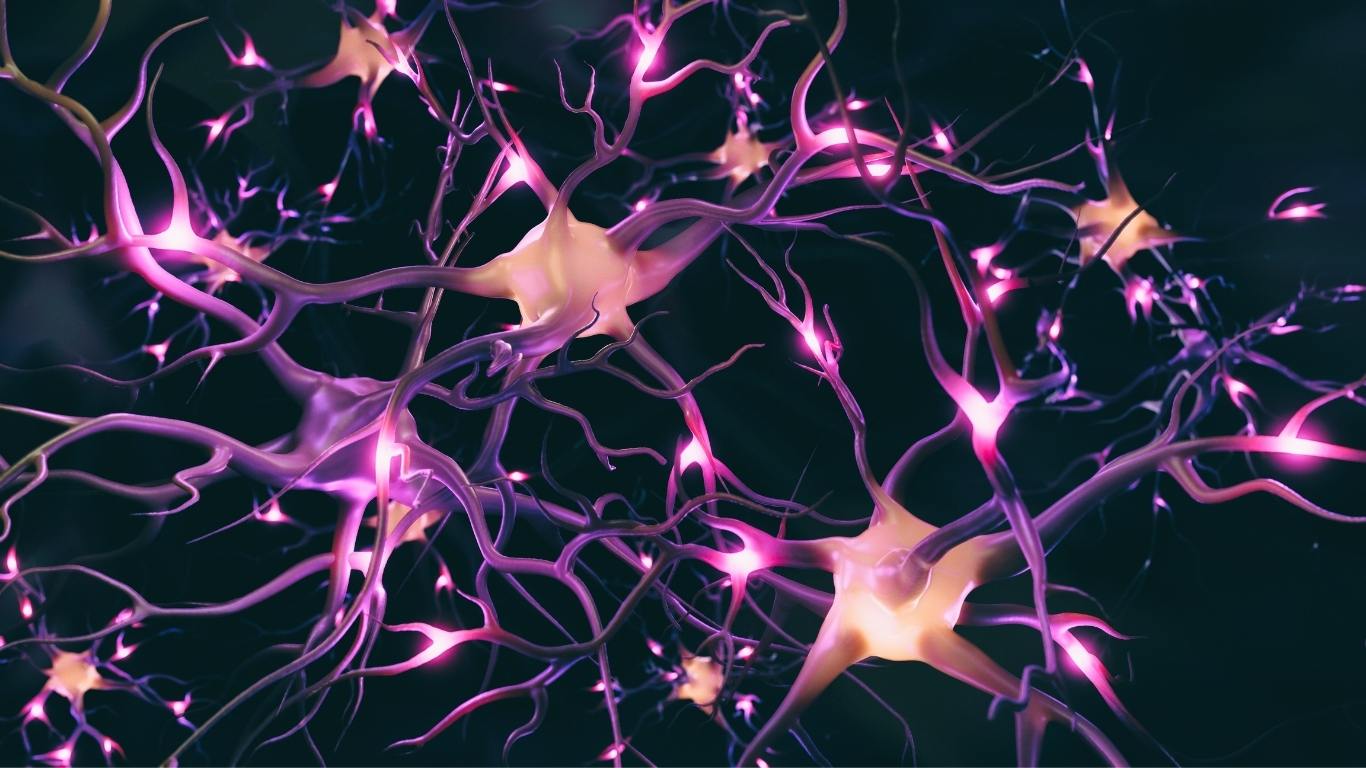
The foundation of natural agoraphobia relief is addressing what drives the condition at its physiological core — a nervous system stuck in chronic fight-or-flight. According to Rupa Health, the body’s stress response system plays a central role in agoraphobia, and approaches that restore nervous system balance address the root cause rather than managing surface symptoms.
The autonomic nervous system has two primary modes:
-
Sympathetic (fight-or-flight) — what agoraphobia keeps activated
-
Parasympathetic (rest-and-digest) — what natural regulation practices restore
Every natural technique in this article works, in some way, to shift the balance from the former toward the latter.
Natural Approach 3: Breathwork
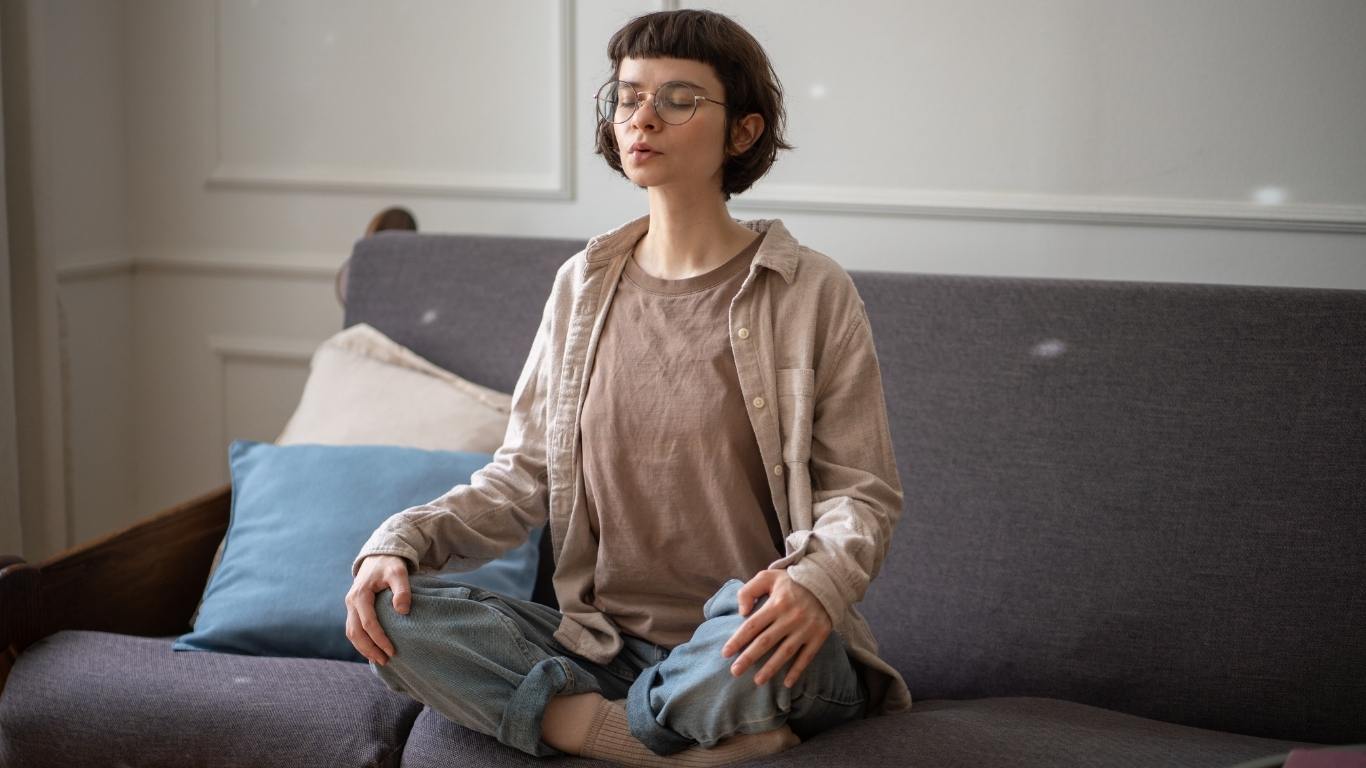
Breathing is the most direct, portable, and evidence-based tool for natural nervous system regulation — and it is completely free, requires no equipment, and can be practised anywhere.
Rupa Health confirms that slow breathing techniques stimulate the parasympathetic nervous system, induce a relaxed state, and directly disrupt the stress response — making them one of the most foundational natural approaches for agoraphobia.
The NHS recommends regular exercise and stress management practices — including breathing techniques — as part of the lifestyle approach to agoraphobia.
Evidence-based breathing techniques for agoraphobia:
Diaphragmatic (belly) breathing
Activates the parasympathetic system through deep, slow abdominal breathing. Inhale for 4 counts through the nose, allowing the belly to rise. Exhale for 6–8 counts through the mouth. The extended exhale is the key — it directly activates the vagal brake and calms the nervous system.
4-7-8 breathing
Inhale for 4 → hold for 7 → exhale for 8. The extended breath hold and exhale maximise parasympathetic activation. Use during anticipatory anxiety or when physical symptoms begin.
Coherent breathing (5 breaths per minute)
Breathing at approximately 5 breaths per minute — 6 seconds in, 6 seconds out — has been shown to maximise heart rate variability (HRV), a direct measure of nervous system flexibility. Higher HRV correlates with greater resilience to anxiety and stress.
Box breathing
4 counts in → 4 hold → 4 out → 4 hold. Used in clinical and military settings for rapid, reliable nervous system regulation under pressure.
Practise daily — not only during anxiety episodes. Regular practice builds the nervous system’s capacity to return to calm more quickly and from a higher baseline.
Natural Approach 4: Mindfulness and Meditation
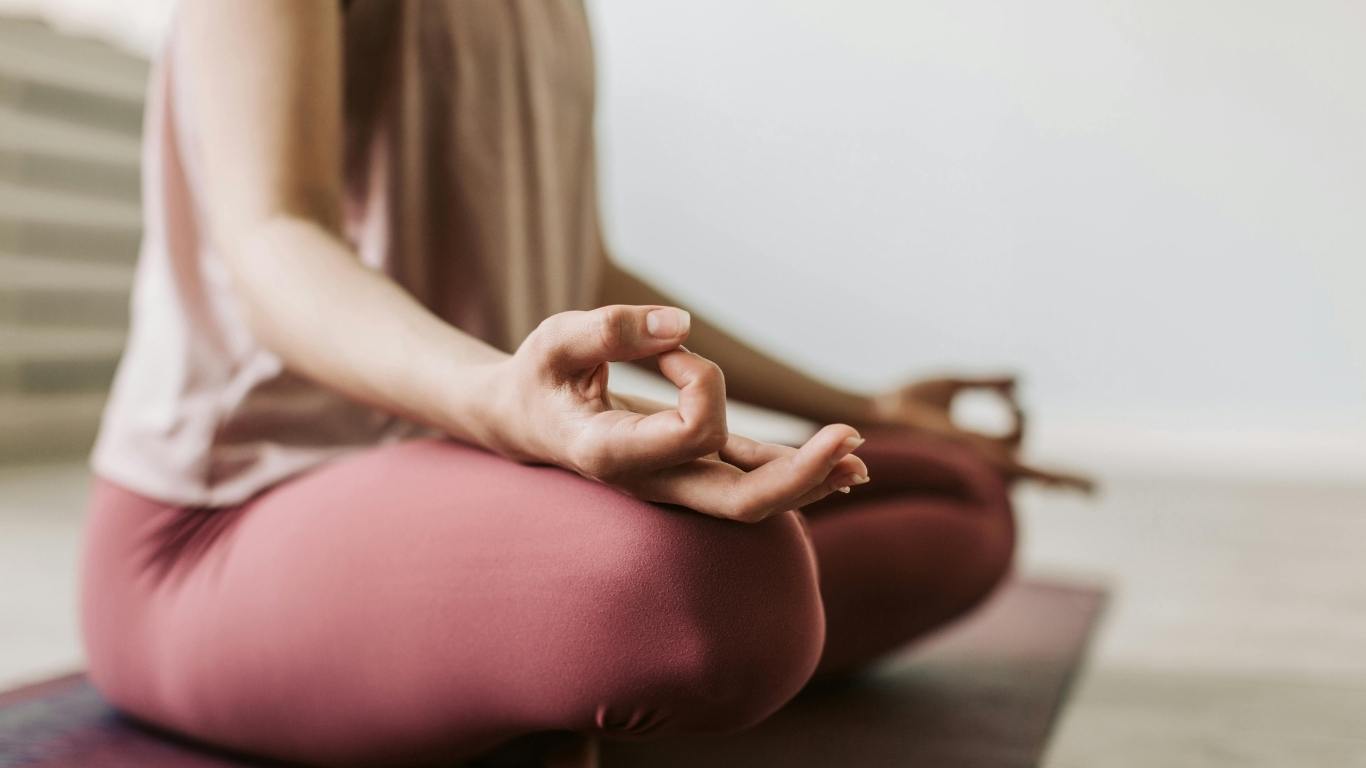
Mindfulness — the practice of deliberate, non-judgmental present-moment awareness — has one of the strongest evidence bases of any natural approach for anxiety disorders.
Rupa Health notes that mindfulness-based stress reduction (MBSR) can be as effective as first-line medication in supporting individuals with anxiety disorders — with fewer side effects. When combined with pharmacotherapy, Mindfulness-Based Cognitive Therapy (MBCT) has been shown to effectively manage panic disorder and agoraphobia.
How mindfulness helps agoraphobia specifically:
-
Reduces reactivity to physical sensations — the racing heart or breathlessness that triggers panic becomes observable rather than catastrophic
-
Builds tolerance for discomfort — the capacity to stay present with anxiety rather than immediately fleeing
-
Interrupts anticipatory anxiety — breaks the cycle of dreading future situations
-
Lowers baseline nervous system activation — over time, the body’s resting state of arousal decreases
-
Reduces experiential avoidance — the core behavioural pattern sustaining agoraphobia
Accessible mindfulness practices for agoraphobia:
-
Body scan meditation — 10–20 minutes scanning for and releasing physical tension
-
Mindful breathing — simply observing the breath without controlling it for 5–10 minutes
-
Mindful daily activities — full sensory attention during eating, washing, walking — building present-moment awareness throughout the day
-
Guided meditation apps — Insight Timer (free), Calm, Headspace
Natural Approach 5: Yoga and Movement
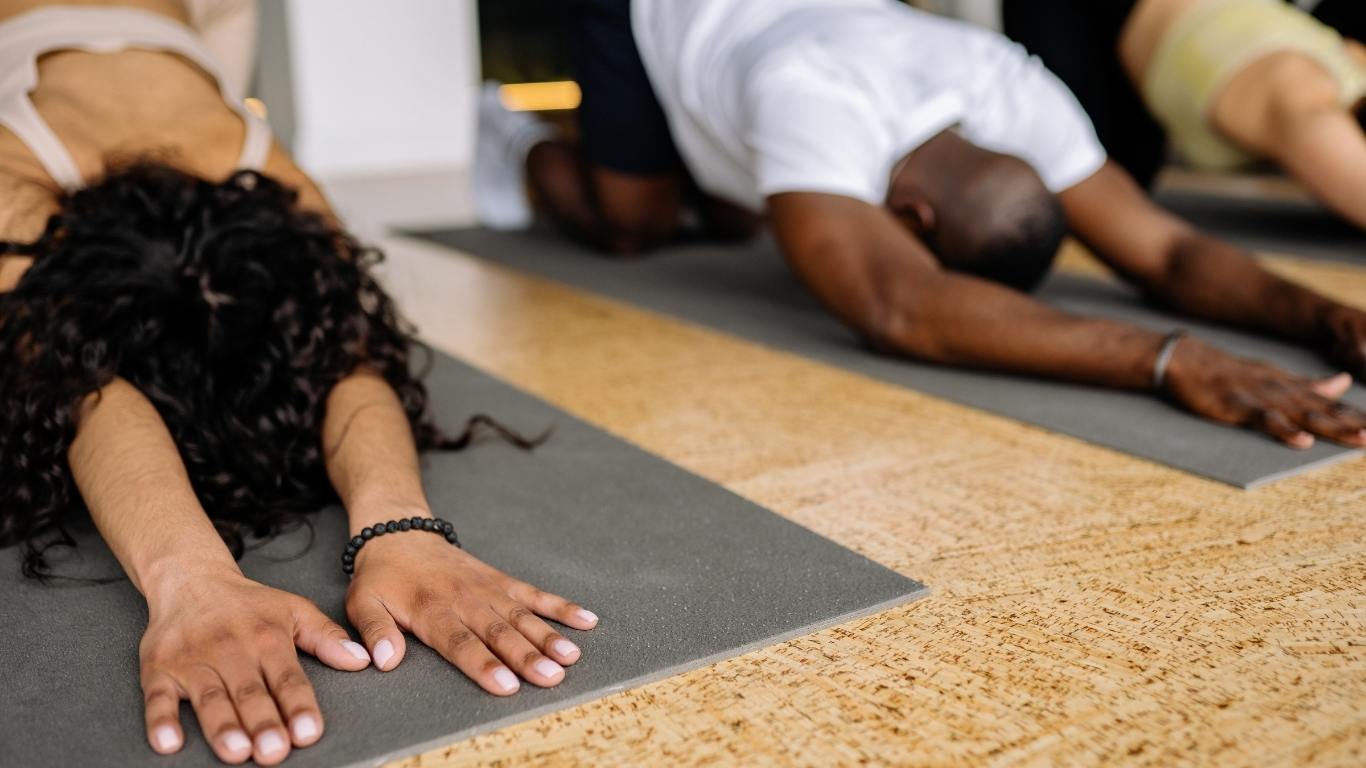
Yoga combines physical postures, breathwork, and meditative attention in a way that directly targets the physiological patterns underlying agoraphobia. Rupa Health identifies yoga as demonstrating improvements in both physical and psychological measures of stress — making it a genuinely evidence-based natural complement to agoraphobia treatment.
Regular physical exercise is strongly recommended by the NHS and HSE Ireland as part of natural agoraphobia management — noting that exercise relieves stress, releases tension, improves mood, and increases the availability of anti-anxiety neurochemicals in the brain.
Why exercise works naturally for agoraphobia:
-
Reduces cortisol — the primary stress hormone sustaining fight-or-flight
-
Increases GABA activity — the brain’s natural calming neurotransmitter
-
Promotes neuroplasticity — supporting the brain’s capacity to form new fear-free associations
-
Improves sleep quality — a powerful secondary anxiety reducer
-
Provides interoceptive exposure — physical exercise produces the same sensations (raised heart rate, breathlessness) that agoraphobia fears, but in a safe, controllable context — naturally desensitising these sensations over time
Home-based movement practices:
-
Yoga (YouTube channels such as Yoga with Adriene offer free, home-based sessions)
-
Gentle indoor walking and stretching
-
Tai chi — research cited in PMC identifies it as a mind-body practice with anxiety-reducing effects
-
Dancing — combines movement with emotional expression and mood elevation
Natural Approach 6: Nutrition for Nervous System Support
What you eat directly affects the neurochemical environment in which anxiety is either maintained or reduced. An integrative nutrition approach to agoraphobia addresses the biological substrate of fear through dietary choices and targeted supplementation.
Rupa Health identifies nutrition as an essential component of integrative agoraphobia management, ensuring the body receives necessary nutrients for brain health and stress regulation.
Dietary principles for natural agoraphobia relief:
Stabilise blood sugar
Hypoglycaemia — low blood sugar — produces physical symptoms virtually identical to panic: heart racing, dizziness, sweating, trembling. Eating regular meals with protein and complex carbohydrates prevents the blood sugar crashes that mimic and amplify panic.
Reduce or eliminate caffeine
Caffeine is a direct physiological anxiogenic — it stimulates the same sympathetic nervous system response that drives agoraphobic panic. The NHS, HSE Ireland, and multiple clinical guidelines all specifically recommend reducing caffeine for agoraphobia and panic disorder.
Avoid alcohol
Alcohol initially reduces anxiety through GABA enhancement — but produces significant rebound anxiety and nervous system hyperactivation as it metabolises. Long-term alcohol use significantly worsens agoraphobia and panic.
Mediterranean-style eating
Associated with lower rates of anxiety and depression — high in vegetables, fruits, whole grains, legumes, fish, and olive oil; low in processed food and refined sugar.
Hydration
Dehydration produces physical symptoms that can trigger or amplify anxiety. Regular water intake throughout the day is one of the simplest natural supports for nervous system regulation.
Natural Approach 7: Herbal and Nutraceutical Support
Several herbs and natural supplements have credible research support for anxiety and panic reduction. A 2025 review in PMC (NIH) examined the anxiolytic mechanisms and clinical evidence for natural products, finding multiple compounds with genuine neurobiological effects on anxiety pathways.
Inositol
Among the most specifically researched natural compounds for agoraphobia. Rupa Health cites research showing that inositol supplementation at 12g/day for 4 weeks reduced the frequency and intensity of panic attacks and alleviated agoraphobia symptoms — presenting minimal side effects.
Magnesium
Magnesium deficiency is closely linked to anxiety and nervous system hyperreactivity. WebMD lists magnesium among the most evidence-supported natural anxiety interventions. A large double-blind trial testing magnesium (150mg twice daily) combined with hawthorn and California poppy found significant anxiety reduction compared to placebo.
Passionflower (Passiflora incarnata)
A four-week RCT found passionflower equally effective to oxazepam (a prescription benzodiazepine) for generalised anxiety — with significantly fewer side effects and no impairment of work performance. The Mayo Clinic acknowledges passionflower as showing promise for anxiety management.
Kava (Piper methysticum)
One of the most researched herbal anxiolytics, with multiple RCTs demonstrating significant anxiety reduction. Research published in PMC (NIH) confirms kava extract has a therapeutic effect on acute situational anxiety. Note: Use standardised extracts and consult your GP — kava may interact with medications and has liver safety considerations at high doses.
Ashwagandha (Withania somnifera)
Multiple controlled trials demonstrate consistent stress and anxiety reduction. Particularly useful for the chronic low-level hyperarousal and adrenal fatigue associated with long-standing agoraphobia.
L-theanine
An amino acid found naturally in green tea, L-theanine promotes calm alertness without sedation — particularly useful for reducing anticipatory anxiety before potentially triggering situations.
Lemon balm (Melissa officinalis)
The Mayo Clinic notes that small studies show lemon balm can reduce symptoms of anxiety including worry and excitability, and that it is generally well tolerated.
Lavender
Clinical trials support oral lavender preparations (such as Silexan) for generalised anxiety — matching the effect size of some pharmaceutical anxiolytics without dependence or withdrawal effects.
Always consult your GP or healthcare provider before beginning herbal supplements — some interact with SSRIs, benzodiazepines, and other medications. Natural does not automatically mean safe for everyone.
Natural Approach 8: Sleep Optimisation
Disrupted or insufficient sleep dramatically worsens agoraphobia symptoms — amplifying emotional reactivity, reducing cognitive capacity, and increasing baseline nervous system activation. Addressing sleep as a natural foundation for agoraphobia recovery is both evidence-based and immediately practical.
Natural sleep practices:
-
Consistent sleep and wake times — anchors the circadian rhythm and reduces arousal
-
No screens 60 minutes before bed — blue light suppresses melatonin and increases alertness
-
Cool, dark bedroom environment — directly supports melatonin production
-
Bedtime breathwork — 4-7-8 breathing or progressive muscle relaxation before sleep
-
Magnesium glycinate before bed — promotes GABA activity and muscle relaxation
-
Limit caffeine after midday — caffeine has a half-life of 5–7 hours
Natural Approach 9: Cold Water Therapy
Emerging research supports cold water exposure as a natural tool for nervous system regulation and anxiety reduction. Cold water triggers the dive reflex — rapidly reducing heart rate and activating the parasympathetic nervous system.
Practical cold water practices accessible from home:
-
Cold shower finishes — ending each shower with 30–60 seconds of cold water
-
Cold water face immersion — holding the face in cold water for 30 seconds activates the dive reflex rapidly
-
Cold wrist immersion — running cold water over the inner wrists during anxiety episodes
Cold exposure also increases norepinephrine and dopamine — neurotransmitters associated with mood elevation and resilience — providing secondary benefits beyond immediate nervous system regulation.
Natural Approach 10: Self-Directed Graduated Exposure
Gradual, self-paced exposure to feared situations is not just a therapeutic technique — it is the natural process by which the nervous system updates its threat assessments. Each time a feared situation is approached and survived, the brain receives a genuine biological update: this is safe.
Blue Moon Senior Counseling describes gentle exposure as building a bridge from where you are to where you want to be — using small, familiar steps that engage the senses gradually and build tolerance without overwhelm.
Starting points for natural home-based exposure:
-
Sitting by a window with blinds open
-
Standing on the porch for 2 minutes
-
Opening the front door and breathing fresh air for 60 seconds
-
Walking to the end of your path
-
Listening to nature sounds while imagining being in a park
-
Watching a video of a familiar street or neighbourhood
Each step, however small, is a real neurological update. Over weeks and months, these updates accumulate — and the world outside your safe zone becomes gradually less threatening.
Natural Lifestyle Changes That Make a Measurable Difference
Beyond specific techniques, several everyday lifestyle choices significantly influence agoraphobia severity. Both the NHS and HSE Ireland specifically recommend these as part of natural agoraphobia management:
-
Stay active — even light daily movement reduces baseline anxiety
-
Eat regularly and well — blood sugar stability prevents physical anxiety triggers
-
Avoid drugs and alcohol — both worsen agoraphobia over time despite short-term relief
-
Reduce caffeine — a direct physiological anxiogenic
-
Maintain social connection — isolation deepens agoraphobia; remote connection is valid
-
Establish daily routine — structure creates predictability, which reduces ambient anxiety
-
Limit news and distressing media — maintains lower baseline threat perception
-
Spend time in nature — when possible; even a garden or nearby park produces measurable nervous system calming
-
Prioritise relationships — even one trusted person who understands reduces the shame and isolation that sustain agoraphobia
Combining Natural Approaches: A Practical Daily Framework
Natural relief from agoraphobia is most effective when approaches are layered into a consistent daily practice rather than used sporadically. A simple framework:
Morning:
-
5 minutes breathwork (diaphragmatic or coherent breathing)
-
Balanced breakfast — protein, complex carbs, no caffeine or minimal
-
Light indoor movement — stretching, yoga, or a brief walk
Throughout the day:
-
Mindful awareness during daily activities
-
Herbal support as appropriate (L-theanine, ashwagandha)
-
One small exposure step — however gentle
Evening:
-
10 minutes body scan or mindfulness meditation
-
Progressive muscle relaxation
-
Sleep hygiene practices — no screens, cool room, consistent bedtime
Weekly:
-
Soul & Body Frequency Change session (Nesteal) — working at the nervous system and energetic level
-
Online therapy or self-directed CBT — addressing cognitive and behavioural patterns
-
Physical exercise — yoga, indoor cardio, or — as confidence grows — outdoor walking
Frequently Asked Questions
Can agoraphobia be treated completely naturally without medication?
For mild to moderate agoraphobia, natural approaches combined with online CBT can produce significant and lasting relief. For moderate to severe presentations, natural approaches work most effectively alongside professional psychological support — and for some, medication as a bridge. The goal is not necessarily to avoid medication forever, but to have every natural option working at full capacity.
What is the most effective single natural approach for agoraphobia?
No single approach addresses all layers of agoraphobia. The most impactful combination for most homebound individuals is Soul & Body Frequency Change (nervous system and energetic layer) + breathwork (daily regulation) + mindfulness (cognitive-emotional layer) + nutrition (biological substrate).
How long before natural approaches produce results?
Breathwork and grounding techniques can produce noticeable shifts within minutes. Soul & Body Frequency Change sessions typically produce a noticeable shift within the first session. Nutritional changes and herbal support generally take 2–4 weeks to produce measurable effects. Sustained recovery through natural approaches typically unfolds over weeks to months of consistent practice.
Are herbal supplements safe to use with anxiety medication?
Not always. Several herbs — particularly kava, St. John’s Wort, and passionflower — can interact with SSRIs and other medications. Always discuss herbal supplements with your GP or pharmacist before beginning.
Can natural approaches help if I’ve been housebound for years?
Yes. Soul & Body Frequency Change sessions at Nesteal are specifically designed for people who have been homebound for extended periods — working at the level that doesn’t require leaving your safe space. Combined with daily breathwork, mindfulness, and nutrition, natural approaches can begin producing meaningful changes regardless of how long agoraphobia has been present.
Next Steps
Natural relief from agoraphobia is real, evidence-based, and available to you from exactly where you are. The first step is always the same: begin.
→ Book a Session
→ Agoraphobia Help From Home
→ Holistic Treatment for Agoraphobia
→ Alternative Therapy for Agoraphobia
→ How to Overcome Agoraphobia Without Leaving Home