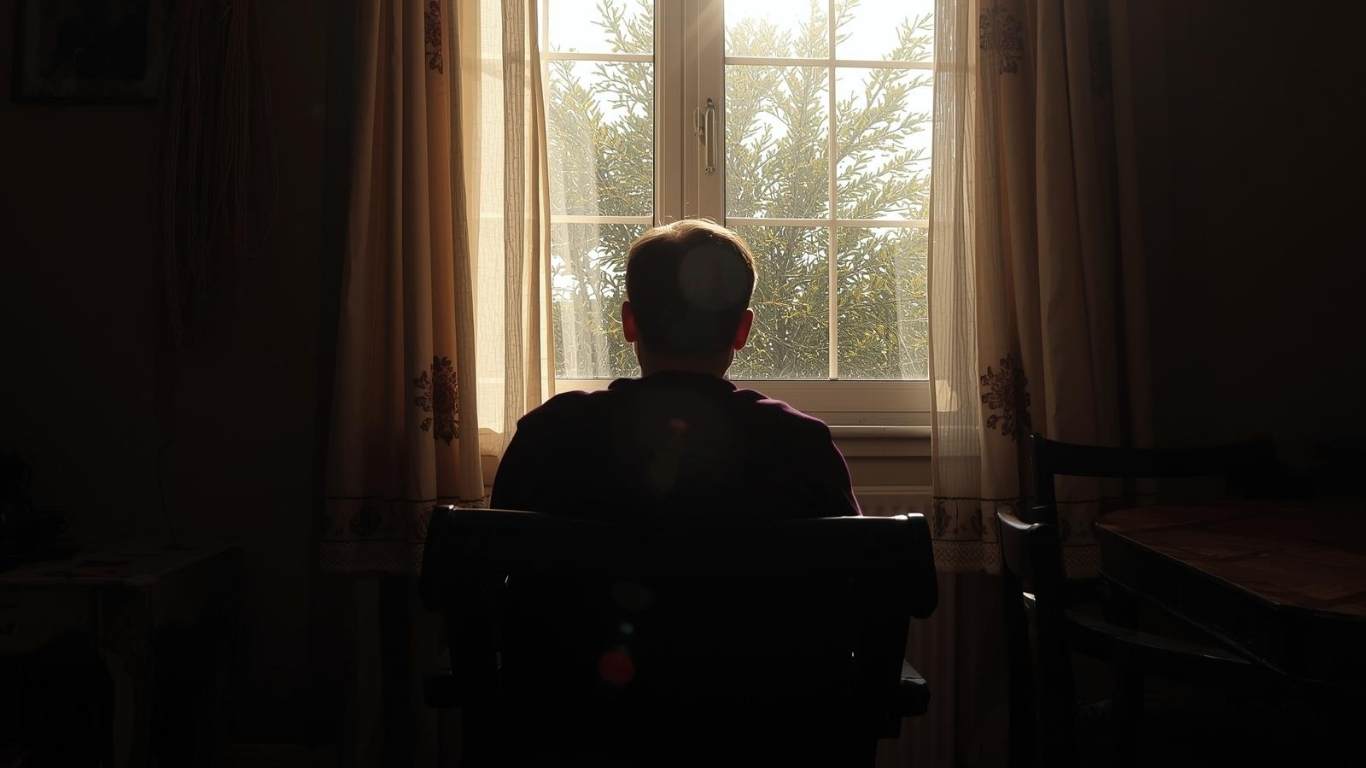
Agoraphobia doesn’t announce itself all at once. For most people, it begins quietly. A racing heart in a shopping centre, a sudden urge to leave a crowded room, a growing reluctance to go anywhere alone.
Over time, these reactions can build into something that reshapes your entire life.
Understanding the symptoms of agoraphobia is the first step toward recognising what’s happening. More importantly, finding a way through it.
Explore how agoraphobia is treated.
The Three Categories of Agoraphobia Symptoms
The NHS classifies agoraphobia symptoms into three broad categories: physical, cognitive (emotional/mental), and behavioural. Each plays a distinct role in how the condition develops and why it can feel so difficult to overcome without support.
Physical Symptoms
Physical symptoms are typically triggered when a person with agoraphobia encounters, or even anticipates, a feared situation.
They are almost identical to the symptoms of a panic attack, which is why agoraphobia and panic disorder are so closely linked.
According to the Mayo Clinic, the most common physical symptoms include:
-
Rapid or pounding heartbeat (palpitations)
-
Shortness of breath or a sensation of choking
-
Chest pain or tightness
-
Dizziness, lightheadedness, or feeling faint
-
Sweating excessively or suddenly feeling hot or cold
-
Trembling or shaking
-
Nausea, stomach cramps, or diarrhoea
-
Numbness or tingling (paraesthesias)
-
Derealisation — feeling detached from your surroundings, as if the world isn’t real
These physical sensations are genuine. They are your nervous system’s fight-or-flight response activating in situations it has learned to classify as dangerous. The body is not “overreacting” irrationally; it is doing exactly what it’s designed to do. But in the wrong context. Triggered by the wrong cues.
What makes agoraphobia particularly difficult is that the fear of experiencing these physical symptoms becomes its own trigger. The dread of a racing heart or dizziness in public can cause those very symptoms to appear, creating a self-reinforcing cycle.
Cognitive and Emotional Symptoms
Cognitive symptoms are the thoughts and beliefs that fuel agoraphobia’s hold. The NHS identifies the most common cognitive symptoms as:
-
Fear of losing control in public — saying or doing something embarrassing
-
Fear that a panic attack will be life-threatening — believing your heart will stop or you won’t be able to breathe
-
Fear of being unable to escape a situation if symptoms strike
-
Fear of losing your sanity — feeling that anxiety is making you “go crazy”
-
Feeling unable to function without help from others — a deep sense of dependency that can be distressing in itself
-
Fear of being left alone (monophobia) — even inside your own home
-
Persistent general anxiety or dread — a background hum of unease that doesn’t fully switch off
-
Anticipatory anxiety — intense worry before entering any situation that might trigger symptoms
Research published in PMC (NIH) found that patients with agoraphobia alongside panic disorder showed significantly higher levels of depression, anxiety sensitivity, and emotional distress than those with panic disorder alone. This means the mental and emotional load of agoraphobia is typically heavier than it might appear from the outside.
One of the most painful cognitive aspects is anticipatory anxiety — the suffering that happens before anything has even occurred. Many people with agoraphobia spend enormous mental energy dreading situations days or weeks in advance, often enough to change their plans entirely.
Behavioural Symptoms
Behavioural symptoms are how agoraphobia shows up in your life — the adjustments, restrictions, and avoidances that gradually shrink the world you’re able to inhabit.
According to the NHS and HelpGuide, common behavioural symptoms include:
-
Avoiding specific places — anywhere a previous panic attack occurred, or anywhere escape feels difficult
-
Becoming housebound — unable to leave home for extended periods, sometimes permanently
-
Requiring a trusted companion to go anywhere outside the home
-
Ordering groceries and essentials online to avoid shops and public spaces
-
Avoiding public transport, queues, cinemas, shopping centres, bridges, or open car parks
-
Cancelling social and professional commitments to stay within a perceived safe zone
-
Enduring feared situations with intense distress — going through the motions while internally panicking
This pattern is known clinically as avoidance behaviour, and it is one of the main reasons agoraphobia is self-perpetuating. ScienceDirect explains that people develop avoidance of particular situations because those situations have become associated with unpleasant experiences — and every time they avoid, the association is reinforced, making the feared situation feel even more dangerous.
In short: avoidance provides short-term relief but long-term worsening.
The DSM-5 Diagnostic Criteria
For a formal diagnosis of agoraphobia, a clinician uses the criteria established in the DSM-5 (Diagnostic and Statistical Manual of Mental Disorders). According to AnalyzePsych and PsychDB, a diagnosis requires:
Criterion A — Fear or avoidance of at least 2 of these 5 situations:
-
Using public transportation (buses, trains, planes, cars)
-
Being in open spaces (parking lots, bridges, marketplaces)
-
Being in enclosed places (shops, theatres, cinemas)
-
Standing in line or being in a crowd
-
Being outside of home alone
Additional criteria:
-
The feared situations almost always trigger fear or anxiety
-
The situations are actively avoided, endured with intense distress, or only tolerated with a companion present
-
The fear is disproportionate to the actual danger posed
-
Symptoms persist for 6 months or longer
-
The avoidance, fear, or anxiety causes significant distress or impairment in social, occupational, or other areas of functioning
How Symptoms Escalate Over Time
Agoraphobia rarely stays static. Without intervention, it tends to follow a progressive pattern:
-
Trigger event — often a panic attack in a specific place
-
Initial avoidance — avoiding that one specific location
-
Generalisation — the fear spreads to similar places or situations
-
Safe zone shrinks — the number of “acceptable” places gets smaller
-
Dependency increases — unable to go anywhere without a companion
-
Homebound state — leaving the house becomes impossible or extremely distressing
Research in PMC (NIH) confirms that the longer agoraphobia goes untreated, the more severe the psychiatric comorbidities — particularly depression — tend to become. Early recognition of symptoms is therefore critical.
When Symptoms Affect Your Professional Life
For working professionals, agoraphobia creates a particularly painful double bind. The career demands that require presence — meetings, commutes, client visits, office attendance — are often the very situations agoraphobia makes feel impossible.
Common professional impacts include:
-
Avoiding the office or working exclusively from home out of fear, not preference
-
Declining promotions or opportunities that require travel or increased visibility
-
Using remote work as a coping mechanism rather than a genuine choice
-
Experiencing severe anxiety before video calls, let alone in-person events
-
Hiding the condition from colleagues and management out of fear of stigma
This intersection of professional pressure and agoraphobic avoidance is one of the most underreported aspects of the condition — and one of the most important to address.
Agoraphobia vs. Similar Conditions
It is worth distinguishing agoraphobia from conditions that share overlapping symptoms:
| Condition | Core Fear | Key Difference |
|---|---|---|
| Agoraphobia | Situations where escape is difficult or help unavailable | Fear of the situation, not the space itself |
| Claustrophobia | Enclosed or confined spaces | Fear specifically of enclosed spaces |
| Social anxiety disorder | Being judged or negatively evaluated by others | Fear of social scrutiny, not escape difficulty |
| Panic disorder | Panic attacks themselves | Agoraphobia often develops from panic disorder |
| Specific phobia | One specific object or situation | Agoraphobia involves multiple situation types |
ScienceDirect clarifies that agoraphobia is distinguished from other phobias specifically by the type of avoidance involved — centred on situations where safety (usually home) feels inaccessible.
Recognising Symptoms Is Not a Diagnosis
If you recognise several of these symptoms in yourself, that recognition matters — but it is not a clinical diagnosis. Agoraphobia shares symptoms with several other anxiety conditions, and accurate assessment by a qualified healthcare professional is the right next step.
What self-recognition can do is open the door. Many people with agoraphobia have lived with their symptoms for years without having a name for what they are experiencing. Naming it often brings both relief and clarity.
A Note on Nervous System Dysregulation
One dimension of agoraphobia symptoms that conventional checklists often overlook is the role of the nervous system. Many people with agoraphobia are in a near-constant state of physiological hyperarousal — their nervous system stuck in fight-or-flight even when no immediate threat is present.
This is why purely cognitive approaches — talking through fears — don’t always produce complete relief. The body holds the pattern of the fear independently of the mind’s understanding of it.
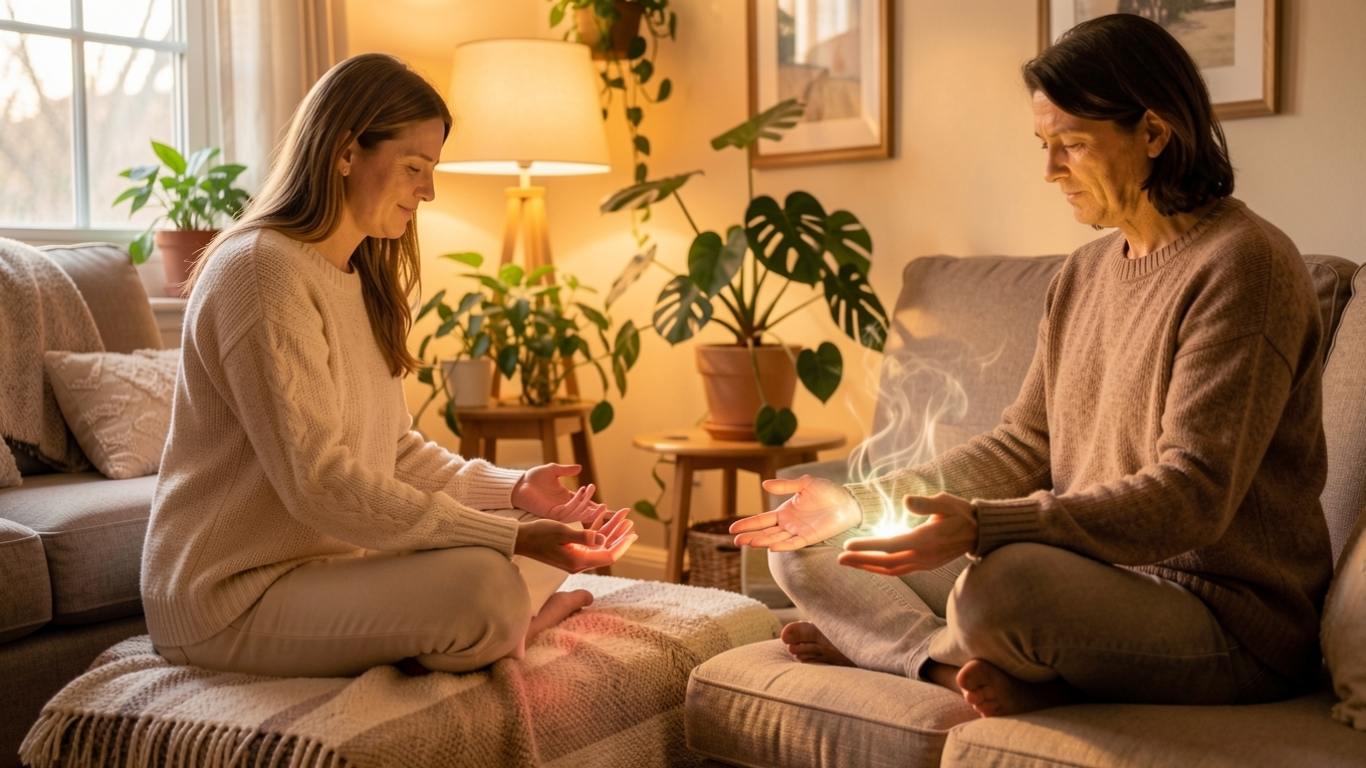
At Nesteal, Soul & Body Frequency Change sessions work specifically at this level — addressing the deep nervous system patterns and energetic imprints that keep agoraphobia symptoms active, even after the rational mind understands there is no real danger. Sessions are delivered 100% remotely, from the safety of your own space.
Soul & Body Frequency Change is a complementary wellness service and is not a replacement for medical care, psychiatric treatment, or licensed psychotherapy. Results vary by individual. Always consult your healthcare provider before beginning any new wellness programme.
Frequently Asked Questions
Can agoraphobia symptoms come and go?
Yes. Many people experience periods of relative calm followed by flare-ups — often triggered by stress, major life changes, or an unexpected panic attack. This variability can make the condition feel confusing and unpredictable.
Can you have agoraphobia without panic attacks?
Yes, though the two are closely linked. The DSM-5 now classifies agoraphobia as a separate disorder from panic disorder — meaning you can meet the diagnostic criteria for agoraphobia without having full panic attacks, through panic-like symptoms or intense anticipatory anxiety.
Are agoraphobia symptoms the same in everyone?
No. The specific situations feared, the intensity of symptoms, and the degree of avoidance vary widely. One person may function relatively well but avoid public transport; another may be completely homebound. Both experiences are valid and both deserve support.
What’s the difference between agoraphobia symptoms and general anxiety?
General anxiety involves worry across many life domains. Agoraphobia is specifically characterised by fear and avoidance of situations where escape feels difficult or help feels unavailable — with physical symptoms that intensify in those situations.
Next Steps
Understanding your symptoms is the beginning. The next important questions are what causes agoraphobia, and what treatment options — including complementary approaches — are available to you.
→ What Is Agoraphobia?
→ Holistic Treatment for Agoraphobia
→ Remote Energy Healing for Agoraphobia
→ Agoraphobia Help From Home
This article is for informational purposes only and does not constitute medical advice. Nesteal’s Soul & Body Frequency Change services are complementary wellness services and are not a substitute for professional medical care, psychiatric treatment, or licensed psychotherapy. Always consult your healthcare provider before beginning any new wellness programme. Results vary by individual.